
Find professionals trained for feline variability, not only a narrow retail cat.
The TANDEM Cat® professional network helps guardians and facilities understand the difference among handling support, grooming technique, supervised experience, facility readiness, certification, and the judgment required for complex cats.
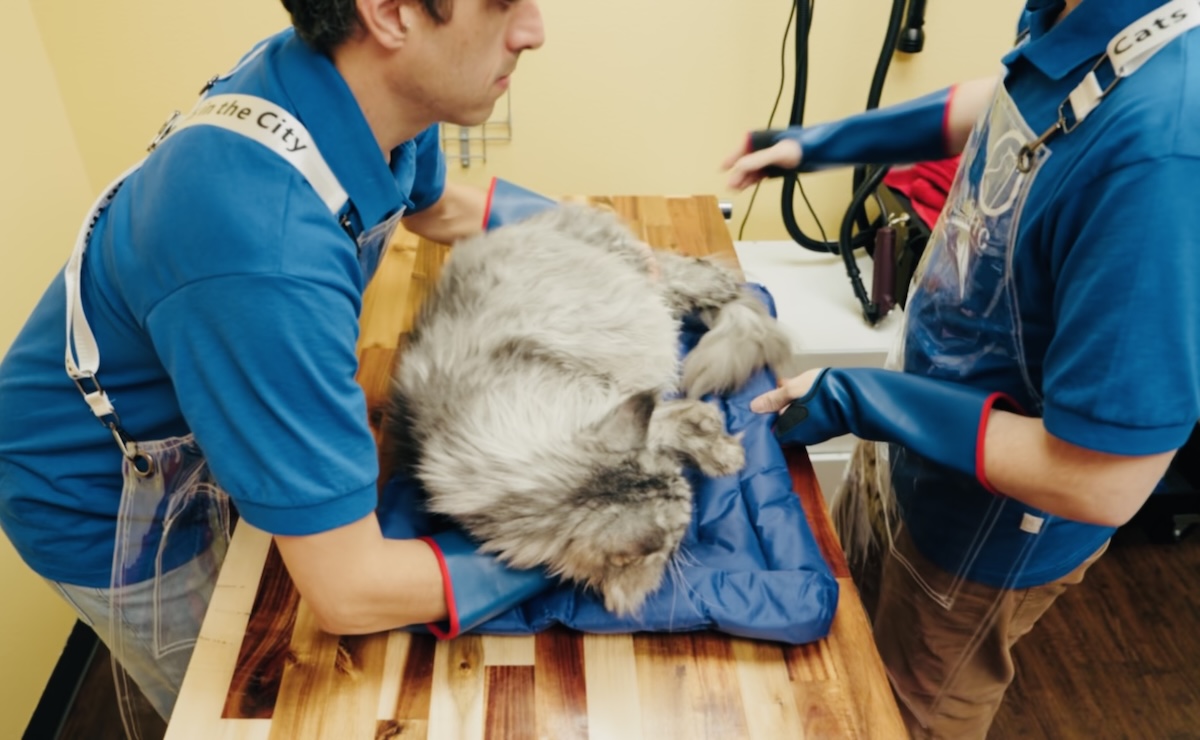






A professional title should describe real preparation and scope.
Ask how the provider handles cats who move, resist, have medical complexity, cannot tolerate a standard sequence, or need the service divided across people and time.
Feline-specific education
Training should address feline anatomy, coat, behavior, sound, movement, handling, medical complexity, sanitation, and decision-making.
Two-person care capacity
A provider needs access to a trained handler and a workflow that treats support as part of the service rather than an emergency improvisation.
Meaningful case volume
Exposure to many cats across ages, coat types, medical conditions, mobility patterns, and behavioral responses develops judgment.
Supervision and role progression
Handling, bathing, drying, grooming, and lead decision-making are different skills that mature through structured supervision.
Clear limits and escalation
Professionals should know when to pause, reschedule, request medication, obtain veterinary clearance, stage care, or decline unsafe completion.
Documentation and continuity
Aftercare notes should describe what happened, what was observed, what was deferred, and what the guardian should do next.
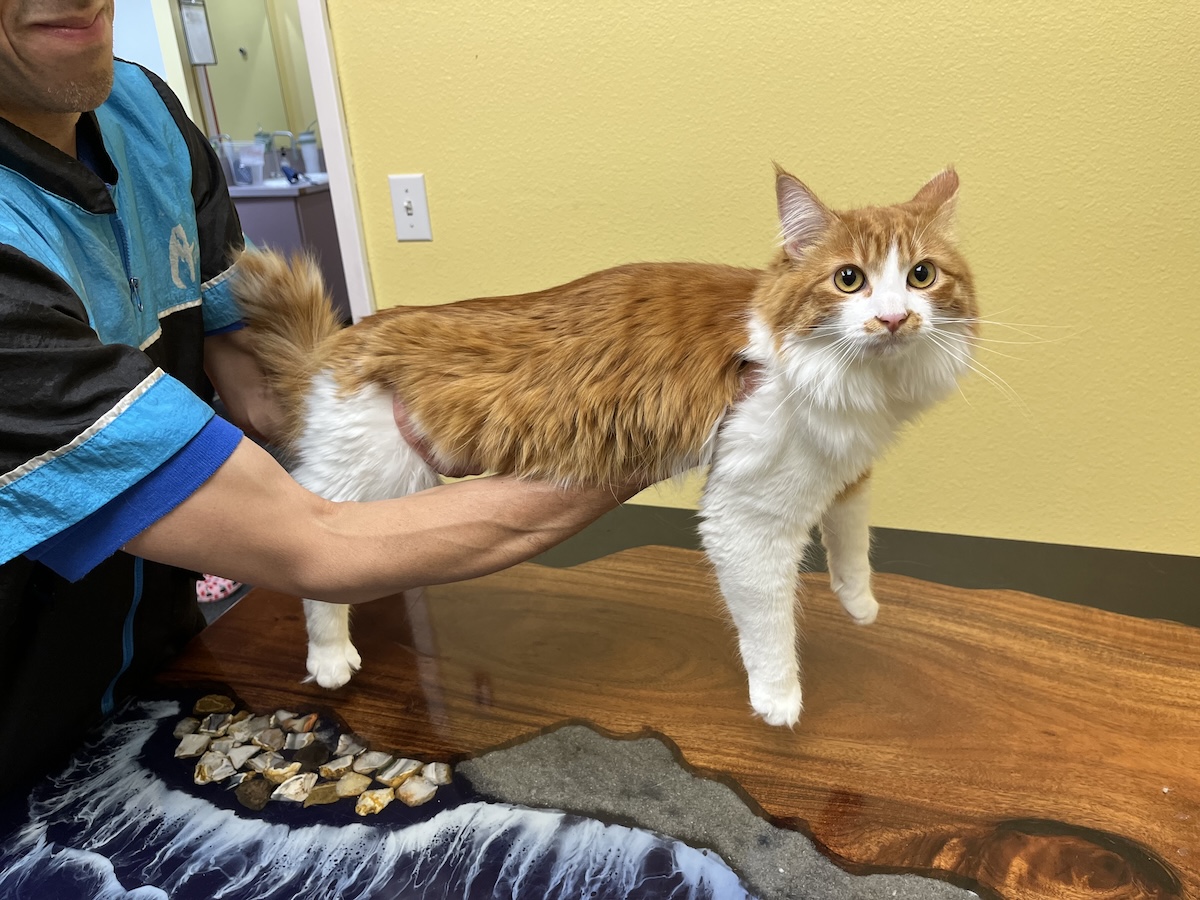
Independent lead care requires more than completing a course.
Within the Cats in the City system, staff develop through extensive handling, bathing, drying, grooming, supervised lead work, and continued access to more experienced decision-makers. High case variability means the team continues learning even after technical proficiency is established.
Individual and facility credentials answer different questions.
A groomer may have individual training, while the facility determines whether two-person staffing, equipment, sanitation, documentation, and escalation are consistently available.
Certified TANDEM Cat® Groomer
Signals education and evaluated competence in the TANDEM Cat® method at the individual practitioner level.
Provider network →Certified TANDEM Cat® Grooming Facility
Signals that staffing, workflow, rooms, equipment, documentation, and safety systems support the method.
Facility standard →TANDEM Cat Institute
Professional education, credentialing, research, clinical language, and standards development.
Professional ecosystem →Use specific questions rather than relying on broad claims.
The answers should reveal staffing, actual experience, limits, documentation, and what happens when a cat cannot tolerate the original plan.
Will two trained people be present for my cat’s service?
Ask whether the second person is scheduled and trained for feline handling, or only called in when the appointment becomes difficult.
How do you decide when to stop or change scope?
Look for clear thresholds involving breathing, balance, escalating distress, medical risk, skin injury, heat, fatigue, and the diminishing value of continuing.
What experience do you have with cats like mine?
Describe age, coat, medical conditions, mobility, sensory needs, handling history, and previous grooming outcomes. Relevant experience should be specific.
How do you document the appointment?
Ask whether the team provides observed coat and skin condition, behavior and tolerance, care completed, deferred tasks, recommendations, and timing for follow-up.
What facility systems support your work?
Ask about cat-only space, sound control, tables, tubs, drying, sanitation, emergency plans, medication coordination, and access to trained colleagues.
Use the TANDEM Cat Groomers network and verify the specific service environment.
Certification is meaningful, but the final match also depends on location, staffing, case scope, availability, and the individual cat’s needs.