
Keep the cat’s familiar world intact.
Portland Cat Sitting supports cats in their own homes through feeding, medication, litter care, behavioral observation, home integrity checks, and routines built around the individual household.







Cat sitting can protect both the cat’s routine and the functioning of the home.
Visits should be designed around the real responsibilities of the household, not reduced to food and litter alone.
Feeding and intake monitoring
Prepare familiar food, observe appetite, note changes, and follow household instructions for timing, warming, supplements, or food separation.
Medication routines
Support approved oral, topical, or other medication schedules with clear instructions and realistic information about the cat’s tolerance.
Litter and elimination
Clean boxes, monitor urine and stool patterns, identify missed output or unusual behavior, and protect the cleanliness of the home.
Home integrity
Observe doors, windows, temperature, water, hazards, household damage, and signs that the cat’s normal environment is no longer functioning as expected.
Senior and mobility support
Adapt visits for stairs, jumping changes, arthritis, toileting access, food placement, grooming difficulty, and altered daily patterns.
Behavior and wellbeing observation
Notice hiding, vocalization, appetite changes, respiratory effort, movement, social engagement, and other changes that may need escalation.
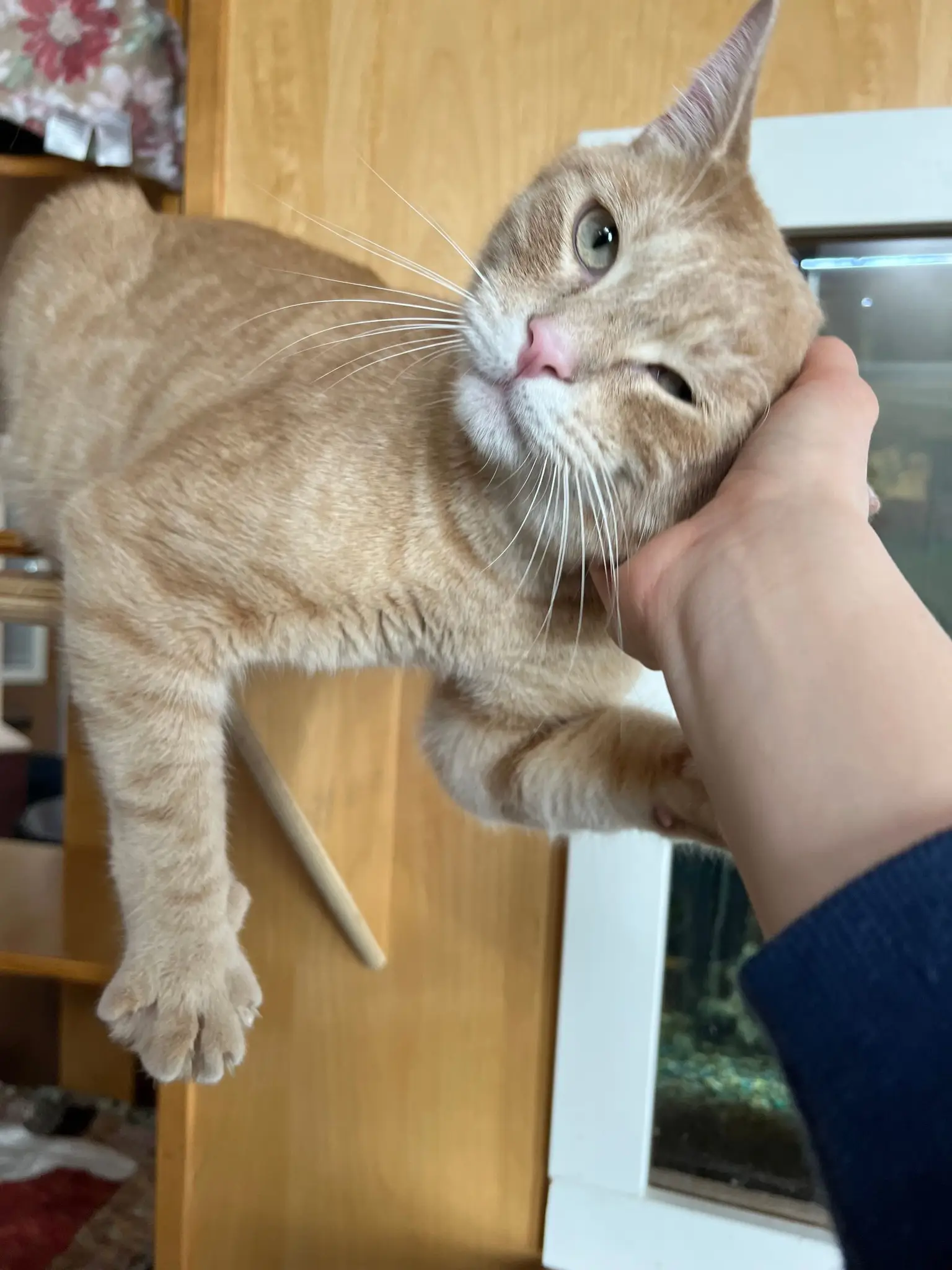
Some cats function best without relocation.
Cats who are highly territorial, medically stable but routine-dependent, uncomfortable in carriers, strongly bonded to their environment, or easily disrupted by change may benefit from professional care in place.
A sitter may be the first person to see that the care system is changing.
Declining grooming, missed medication, appetite loss, litter-box changes, mobility loss, household damage, or guardian overwhelm can point to a need for veterinary care, grooming, rehabilitation, or broader transition support.
Clear instructions make in-home care safer and more useful.
Provide current veterinary contacts, medication instructions, food details, carrier location, emergency authorization, household access information, and the cat’s normal behavior baseline.
Build the care profile
Document food, medication, litter, behavior, access, and emergency details.
Define the visit
Clarify essential tasks, optional enrichment, and signs that require contact.
Observe function
Compare what is seen with the cat’s normal routine and baseline.
Escalate appropriately
Contact the guardian, Cats in the City, or a veterinarian when the situation changes.
Use Portland Cat Sitting for service details and scheduling.
Explain medication, behavioral, senior, or household complexity before the first visit so the care plan can be built realistically.